
Positive Content: What to Publish and Where for a Brand
What positive content is, which formats to create and which channels to use so the best of a brand shows up when its name is searched on Google.
In this article
- What is positive content, and what is it not?
- Why does what appears for a brand name matter?
- What kind of content does Google value?
- Where should a brand publish to occupy its brand results?
- Which formats work best?
- How can positive content avoid looking fake?
- How is a realistic publishing plan organized?
- When does it make sense to rely on an agency?
- How can it be checked that it works?
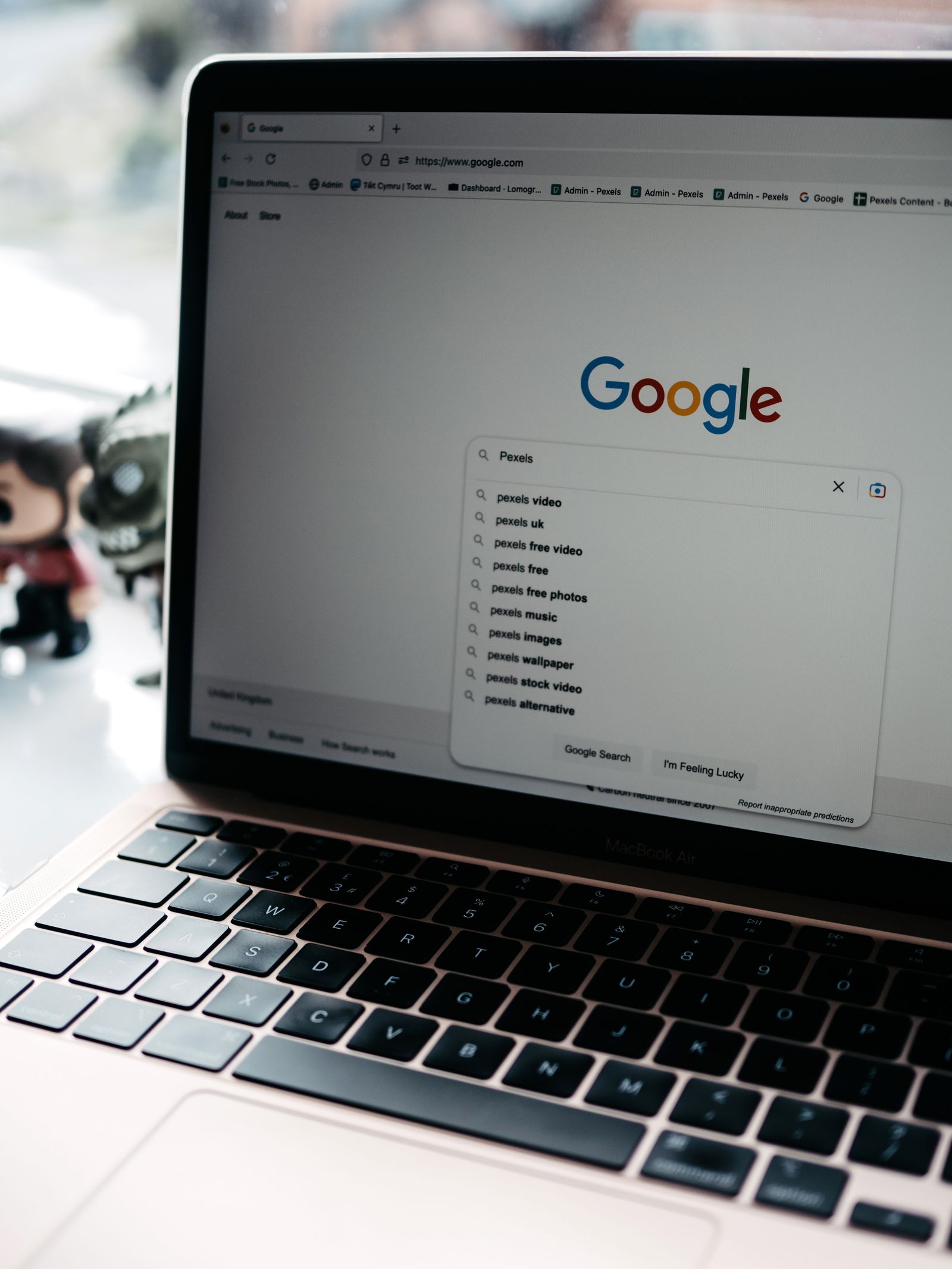
Positive content is accurate, useful and current information about a brand or a person, published on the channels Google tends to show when someone searches that name. To occupy those results, a business publishes on its own sites and official profiles, consistently, with facts that can be checked. Google does not accept payment to rank a page higher, so the route is content that genuinely helps the person searching.
What is positive content, and what is it not?
A practical guide on how a service works, a clear product page, an interview with the founder, a polite reply to a review, or a video showing how the team works: all of that is positive content. What defines it is not a flattering tone but that it is true, well made and answers a real question.
It is also not disguised advertising or a list of self-praise. A text that only repeats that a company is "the best" gives nothing to someone looking for information. A page that explains how a warranty claim is handled, or roughly how long a process takes, works as an answer and conveys seriousness at the same time.
Why does what appears for a brand name matter?
The first page of results works as a business card. Before calling, buying or hiring, many people type the name of a company or person and look at what comes up. If the top results are outdated profiles, an old complaint or third-party pages with wrong details, that becomes the first impression.
Results are also not identical for everyone. According to Google's guide on how Search works, results are personalized by location, language and device. A company with customers in several countries, or present in both Spain and Latin America, needs to check how its name looks in each place and not only from one office.
What kind of content does Google value?
Google explains in its guidance on helpful content that its systems aim to reward content created primarily for people, not to manipulate rankings. The questions it raises include whether the text offers original information, whether it is clear who wrote it and why, and whether someone would recommend it to another person.
The same guidance states that, of the four aspects grouped under experience, expertise, authoritativeness and trustworthiness, trust is the most important. For a brand, that turns into concrete things:
- Contact details, address and legal name that are visible and consistent across every channel.
- Clear authorship on articles and guides, with the role or experience of whoever signs them.
- Claims backed by a source or a document anyone can consult.
- Honest update dates, without touching the date when nothing changed.
Where should a brand publish to occupy its brand results?
The most sensible order starts with spaces the brand controls and continues with those built by trusted third parties. The usual places are these.
The company website
This is the foundation: service pages, FAQs, a team page, examples described with data the company can stand behind, and a blog with useful guides. A tidy site, with clear titles and unique descriptions, gives Google material to show the best version of the brand.
Google Business Profile
For local businesses, the listing often appears next to the brand search. Google states that local ranking depends on relevance, distance and prominence, and that there is no way to pay for a better position. Keeping information complete, with hours, category, photos and replies to reviews, is part of positive content.
Knowledge panel
When a person or entity has a knowledge panel, whoever it represents can claim it with a Google account and verify it through official sites or profiles, then suggest changes. Not every panel can be claimed, and local businesses rely on their Business Profile instead.
Social profiles and video platforms
LinkedIn, YouTube, Instagram or Facebook usually rank well for brand searches. Keeping profiles complete, with the same name, the same description and a link to the official site, helps. A video channel with team introductions or service demonstrations adds one more visible result.
Media, associations and serious directories
An interview, an opinion column, a listing at a chamber of commerce or a talk at an industry event creates external mentions. These are appearances earned on merit, with real data, not paid texts made to look like press.
Which formats work best?
There is no single format. What changes is search intent: someone typing a company name usually wants to know who it is, what it does, whether it is reliable and how to reach it. The most useful formats answer exactly those questions:
- An "about us" page with history, team and values described through facts.
- Guides and articles that explain processes, requirements or differences between options.
- FAQs with short, direct answers.
- Short videos with a transcript, so the content is also readable by search engines.
- Notes on awards, certifications or partnerships, linking to whoever grants them.
- Public replies to reviews, in a calm tone and with contact details to resolve the case.
How can positive content avoid looking fake?
The line between positive and manipulative is clear in Google's policies. Its spam policies describe scaled content abuse, which means generating many pages with the main purpose of manipulating rankings, and link spam, which includes buying or selling links for ranking. Paid links can exist if they are marked with the right attributes.
In practice that rules out several tempting shortcuts: reviews written by the company itself, dozens of blogs repeating the same text, profiles created under false names or invented authors. Besides risking penalties, they are easy to spot and damage exactly the trust they were meant to build. One real interview weighs more than twenty cloned texts.
How is a realistic publishing plan organized?
A simple plan starts with an inventory: which results occupy the top positions today, which ones are owned and which are not. That snapshot reveals gaps. If the brand has no video profile, no introductory article and no complete listing in its sector, those are the first pieces to produce.
Tasks are then split among owners. Someone from sales can contribute the questions customers keep repeating, someone from customer service the usual answers, and a communications lead the tone and the final review. That way content grows out of real situations, such as a doubt about a delivery window or the requirements for a procedure, and not out of generic phrases.
It also helps to set a quality bar before publishing. Each piece should be able to answer three questions: which doubt it resolves, which fact supports it and who stands behind it. If any of them stays unanswered, the piece is not ready. This filter prevents piling up pages that add nothing and that, over time, subtract more than they add.
How much content is needed, and how often?
There is no magic number, and any promise of an exact timeline deserves suspicion. The effect depends on how much competition the name has, what is published today, how old the sites are and how consistent the work is. An uncommon name with few results usually shifts sooner than one shared by many companies or people.
A sustainable routine tends to work better than a burst: a useful original piece every so often, a quarterly review of profiles and timely replies to reviews. A little, well made and maintained, beats twenty abandoned pages.
When does it make sense to rely on an agency?
Many teams can maintain the site, the listing and the profiles on their own. Outside help makes sense when negative results need to be pushed down and there is no time to produce pieces, when the brand operates in several countries, or when there is a need to measure methodically what shows up in each market. In those cases, a specialist agency such as Centria Group can set priorities and coordinate production, as long as it is agreed upfront what can be controlled and what depends on third parties.
How can it be checked that it works?
The check is simple and worth repeating regularly:
- Search the brand name in a private window and note what occupies the first ten positions.
- Repeat the search from another location or with another browser language, because results vary.
- Classify each result as owned, favorable third party, neutral or unfavorable.
- Compare with the previous review and decide which piece is still missing.
With a list like that, the conversation stops relying on impressions and starts relying on what is actually visible. Teams needing local support can look at the online reputation management in Mexico service or the one for online reputation management in Madrid, and a team such as Centria Group can help prioritize what to publish first, without promising specific positions.
Need help with a case?
Tell us about your caseFrequently asked questions
What is positive content in online reputation?
It is accurate, useful and current information about a brand or person, published on channels Google shows when the name is searched: website, Business Profile, social profiles, videos and media mentions.
Can a business pay Google to rank better?
No. Google states in its guide on how Search works that it does not accept payment to crawl a site more often or rank it higher. Ads are handled separately from organic results.
Where should positive content be published?
First on owned spaces: the website, the Google Business Profile and official profiles. Then on trusted third-party channels such as media interviews, industry associations and video platforms.
Why do two people see different results for the same brand?
Google personalizes results by location, language and device. That is why the brand name is worth checking from several places and not only from one office.
How long does positive content take to show on Google?
There is no fixed timeline. It depends on the name's competition, what is already published, the age of the sites and consistency. Any promise of an exact timeline deserves doubt.
Sources
- Creating helpful, reliable, people-first content, Google Search Central.
- How Google Search works, Google Search Central.
- Tips to improve your local ranking on Google, Google Business Profile Help.
- Verify your identity on a knowledge panel, Google Knowledge Panel Help.
- Spam policies for Google web search, Google Search Central.
Keep reading
 GoogleVisibility of Positive Content: How to Achieve ItTo be seen, positive content must be crawled and indexed; Google notes that indexing is not assured.Read article →
 Social mediaEngaged Online Community: How to Build and Care for OneLinkedIn recommends defining a group's purpose and participation rules from the start and announcing them in advance.Read article →
 Online reputationOnline Reputation: A Quick Guide to Get Started in OrderOnline reputation is how others read a digital footprint: reviews, searches, media and social networks.Read article →